

Most Aussies chasing a late-stage tournament seat make the same mistake: they treat the bubble like a sprint instead of a hold. I’ve built growth programmes where retention beats raw acquisition every time, and bubble play works the same way. You’re not trying to jam through the next five minutes; you’re sizing your stack, reading pressure, and keeping your optionality alive until the money hits. That mindset shift is what separates a solid session from a blown bankroll.
The real contest isn’t won on the turn where pressure peaks, but in the quiet decisions that keep you alive when the blinds climb. Treat every street like a relationship you’re building, not a race you’re trying to sprint, and the final table will look a lot less hostile. You can see how that same patient, retention-first approach plays out in practice at https://elvisfrogtruewaysau.com/enaus/.
Reading the table before you read your cards
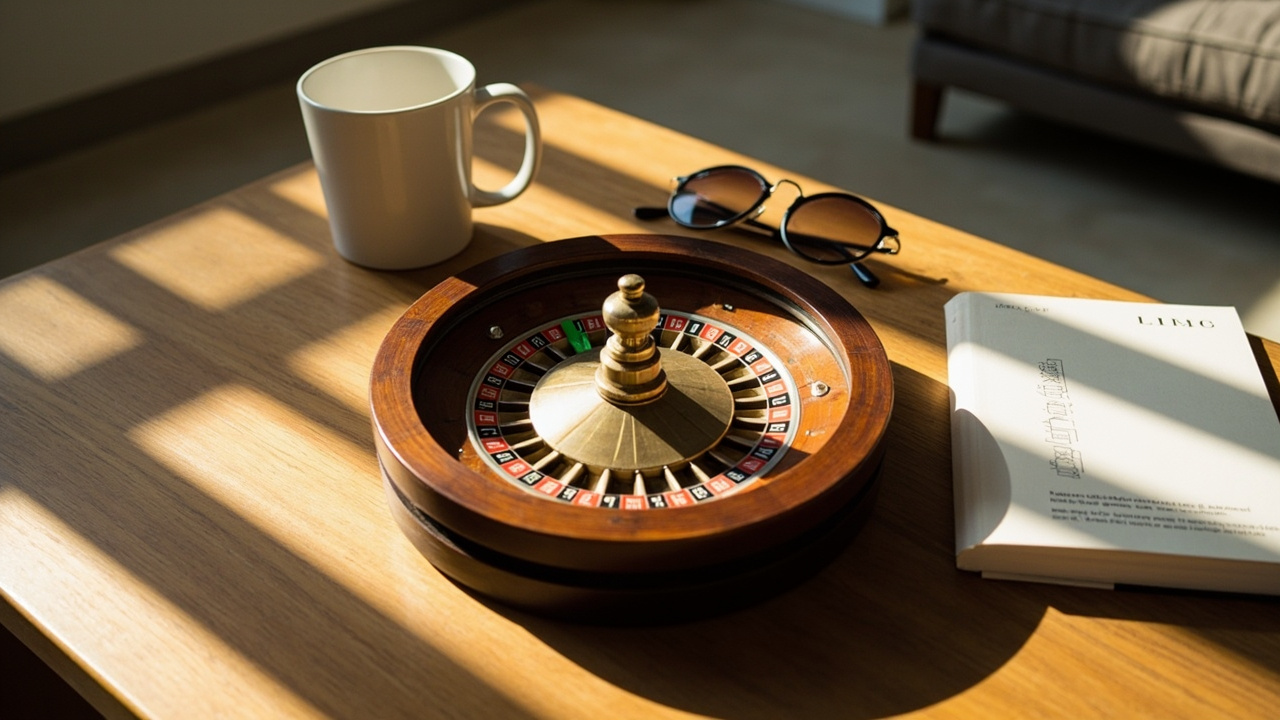
The bubble isn’t won on a single hand, it’s won on the information you gather while everyone else is sweating their stack. I’ve led retention campaigns where the data layer mattered more than the first impression, and the same logic applies here. Watch how the short stacks act when they’re 20 big blinds deep, note who’s folding to steals from the cutoff, and track which players are overplaying marginal hands just to feel involved. You want to be the player who stays calm while the table tips into panic.
A flat white and a backyard arvo can clear your head before a session, and it’s the same kind of reset you need at the table. One bloke at the pub told me he reckons most players lose their edge because they’re chasing the next hand instead of managing the next hour. His mate laughed and said, “No worries, just wait for the fish to hang themselves.” That’s the bubble in one line. When you’re sitting in the 30-40 big blind range, your job is to let the impatient players burn their stacks while you preserve yours. If you’re on the button with a decent stack and the blinds are folding, a measured raise puts pressure on the short stacks without handing your whole tournament to a single bad beat. The key is position awareness: late position gives you the leverage to push the bubble forward without overcommitting, and that’s where the real edge lives.
Stack management when the money line is close
When you’re sitting in the middle of the pack, every decision has to balance risk and survival. I’ve seen high-performing teams lose momentum because they chased every metric instead of protecting the core, and bubble play punishes the same habit. You don’t want to shove with 35 big blinds just because a player in the small blind looks nervous, and you don’t want to fold every marginal hand just to feel safe. The sweet spot is deliberate, measured aggression that keeps your stack healthy while the shorter stacks take the heat.
The table below shows how stack size, position, and bubble pressure should shape your decisions when you’re not at the very front or the very back. It’s not a rigid script, it’s a way to keep your choices consistent when the table starts tilting.
| Stack range | Position | Bubble pressure | Recommended action |
|---|---|---|---|
| 40+ big blinds | Late position | Low to medium | Raise or isolate, avoid overcommitting pre-flop |
| 25-39 big blinds | Middle position | Medium | Play tighter, let short stacks collide, preserve chips |
| 15-24 big blinds | Any position | High | Look for spots to double up, avoid marginal calls |
| Under 15 big blinds | Any position | Critical | Restructure around survival, target open folds |
The short stacks are the ones you want to let fight each other. If you’re in the 25-39 big blind range and two players under 20 big blinds are banging pots pre-flop, you sit back and wait. That’s where the bubble hands you free chips. I’ve built acquisition funnels where the quiet phase did more work than the loud one, and the bubble rewards the same patience. When you do get involved, keep your ranges tight and your aggression aimed at players who are already tilted. A measured continuation bet on a decent flop can thin the field without blowing up your stack, and that’s the kind of play that keeps you in the money without gambling your whole session on one lucky river.
Mobile usability when the action gets fast
A lot of Aussie players now run their sessions on a phone, and the bubble is exactly where a clunky interface will cost you chips. I’ve shipped mobile-first experiences where responsiveness and clean navigation directly lifted retention, and tournament play is no different. When the blinds jump and three players are shoving in the cutoff, you need a layout that loads fast, shows your stack and position clearly, and doesn’t bury the action behind a laggy menu. If the app stutters or the browser version forces you to scroll through clutter, you’re making decisions on partial information and that’s how good hands go wrong.
The mobile experience at a solid poker room should feel like it was built for the arvo session, not the desktop marathon. Clean hands, obvious blind timers, and a stack counter that updates without fuss are the basics that matter most when the bubble is tightening. I’ve benchmarked product flows where a half-second delay on the action button turned into a missed fold, and tournament play punishes that kind of friction every time. A responsive browser view or a well-built app should keep your table, your stack, and the action button within a thumb’s reach, because the bubble doesn’t wait for a reload. When you’re juggling a few tables or just trying to keep your head clear, a mobile layout that respects your time is the difference between a controlled session and a rushed one.
The bubble as a retention play, not a sprint
The bubble rewards players who treat it like a retention problem rather than a speed run. That’s the same call I make when I’m judging a growth programme: protect the core, measure the pressure, and let the impatient players burn themselves out. You don’t need to be the loudest table, you need to be the one still seated when the money hits. If you’re in Perth on a long weekend and the tables are busy as, that’s exactly when a calm bubble approach pays off, because the rush players are already overexposed.
Olivia Harris, Digital Acquisition Director, Boomerang Gaming Insights, puts it plainly: “The bubble is where most players blow their edge because they stop managing risk and start chasing a seat.” She’s right, and it’s the same mistake I see when teams optimise for a single spike instead of the full journey. Keep your stack alive, read the pressure, and let the table do the heavy lifting. That’s a poker bubble play strategy built around patience, position, and clean decisions, and it’s the kind of approach that keeps you in the money without turning the session into a gamble.
